


By Sotiris M. Tzoumas
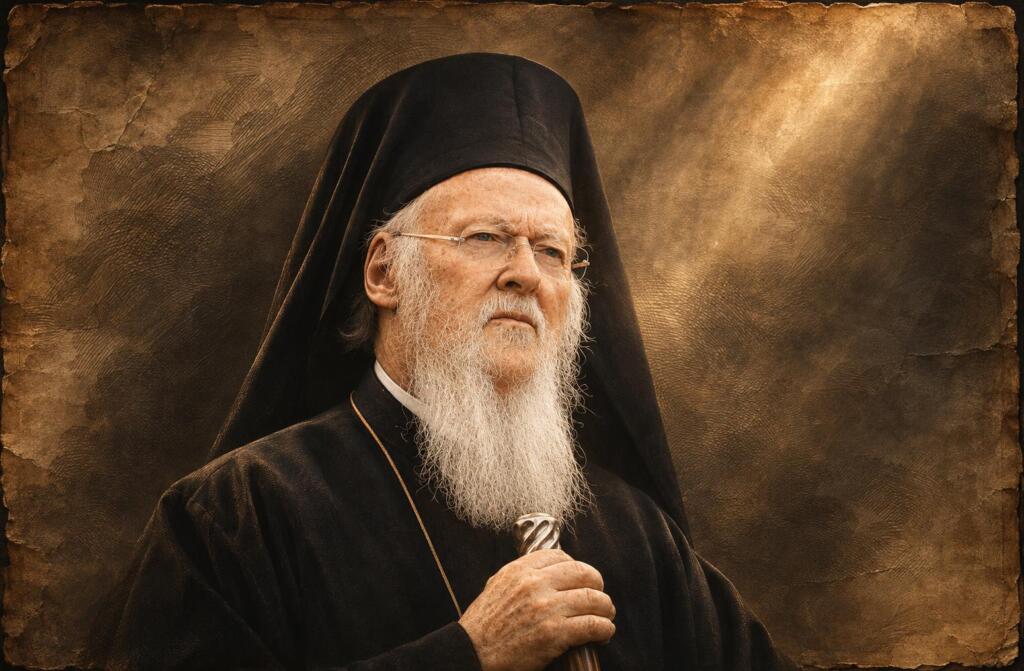
Thirty-five years as Patriarch give us plenty to say about Bartholomew through his deeds, decisions, initiatives and the events that have marked his tenure. The record is substantial, and it is rightly described as a long and fruitful patriarchate.
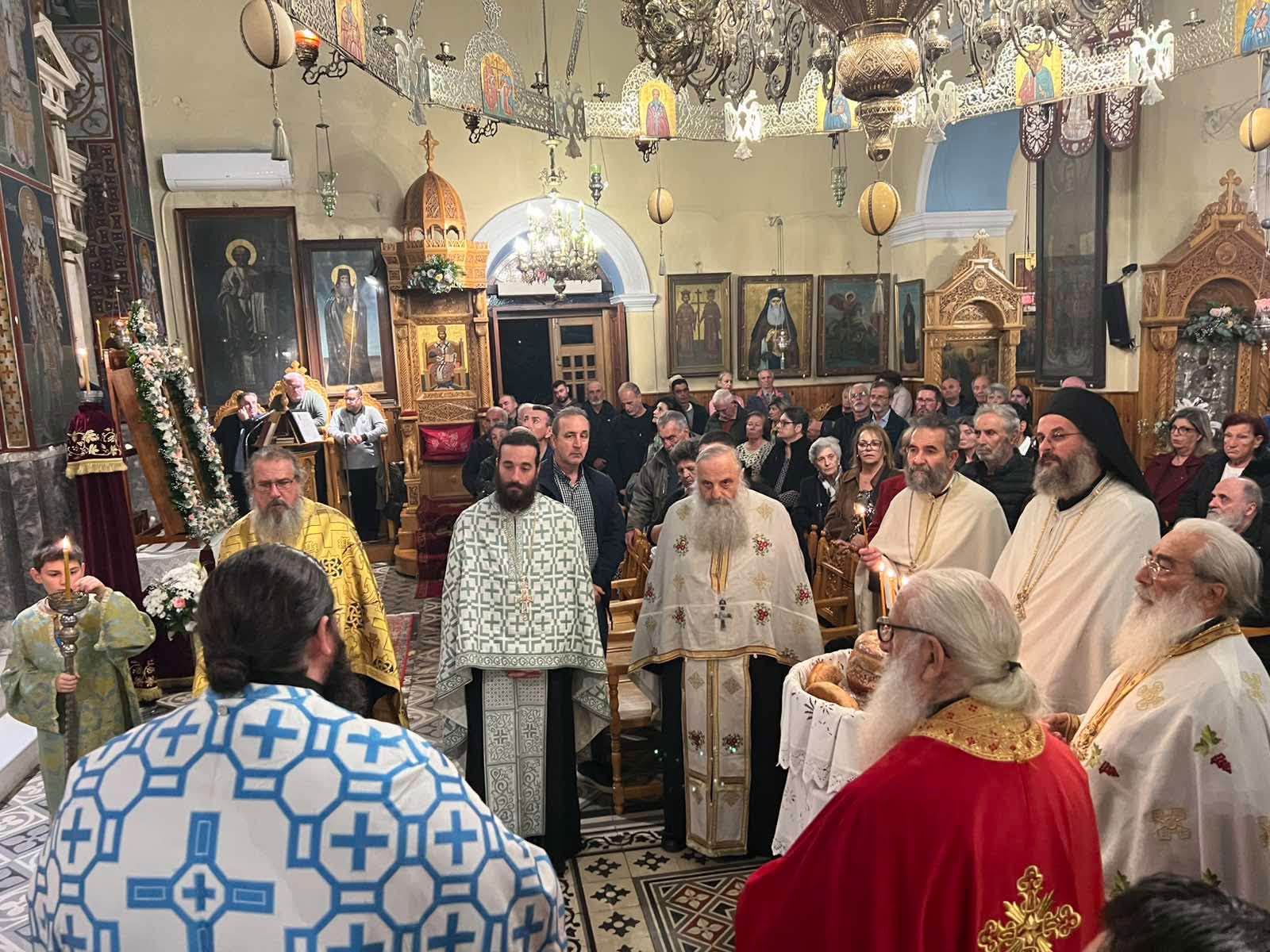
Archbishop Elpidophoros of America chose to sum up the anniversary in a single title. At the official dinner in Constantinople, attended by a delegation of Archons, he called him “Bartholomew the Great.”
On November 7, he used the same title again at the enthronement of Metropolitan Athenagoras of New Jersey. Anthony Limberakis, National Commander of the Order of Archons, repeated it there. The Order subsequently announced that it was adopting the title. And so an idea first aired at an anniversary dinner began to take on the character of a formal and momentous proclamation, with a view to establishing a permanent form of address. We do not know why he did it. It was no crime, but it was a mistake.
By what ecclesiastical judgment is an epithet of such immense historical weight as “the Great” bestowed on someone in his own lifetime?
Photios the Great and Basil the Great have their place in the consciousness of the Church. Anyone who brings out the title “the Great” at a dinner, as though the verdict of Church history could be decided in advance, puts the very person he seeks to honor in an awkward position.
It makes him appear to accept a distinction that his subordinates are rushing to bestow on him out of flattery. Unless, of course, it came to them by divine inspiration.
Elpidophoros of America, however, has a rival. Under Archbishop Makarios, the Archdiocese of Australia declared all of 2026 the “Year of Patriarch Bartholomew,” with a series of events and a major anniversary celebration in Constantinople that drew a large turnout at considerable expense. In his address at the Phanar, Makarios made a point of acknowledging that the Patriarch’s love and affection had raised him to his office. And it is true! Why hide it, after all?
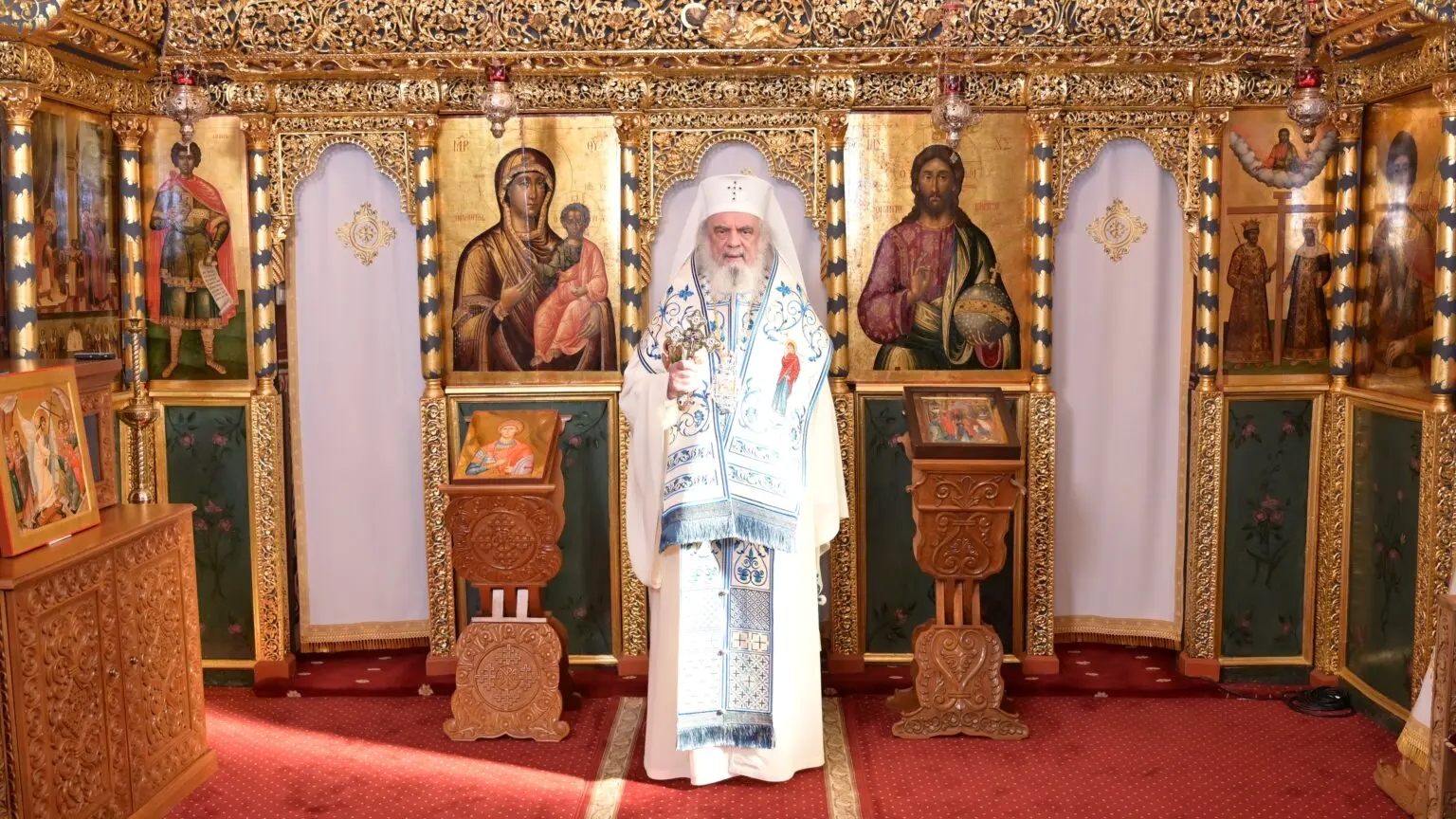
Their methods differ, but both leave the same impression and pursue the same goal: to secure the birthright for what comes next. From what we hear, they have succeeded for the time being. What they forget is that the present phase always gives way to a harsh and inescapable reality, in which they will have to face the real world. Bishops are neither puppets nor pawns. They have common sense and faith in God.
The Archbishops of America and Australia seem to be competing over who can be more generous and more fulsome in his praise before the Patriarch. The more lavish the praise becomes, the more difficult the situation becomes. And the Patriarch is the one left exposed.
The troubling thing about this whole affair, now widely discussed with some unease, is that Bartholomew himself publicly tolerates the excess.
The title was heard at the dinner, repeated at an enthronement and adopted by the Archons. Public accounts of these incidents record no intervention by the Patriarch to set a limit and call those who took it upon themselves to bestow the title to order. In the photographs, he appears to laugh and enjoy it as the word “Great” is spoken.
And this is where his own responsibility begins. A few words from him would have been enough. “My brothers, ‘Ecumenical Patriarch’ will do.” Or “Patriarch of the Nation.” “Those titles are enough for me.”
How difficult would it have been to say that? And what a relief it would have been to those who love the Phanar and are pained to see it turned into a shadow play and a stage for competitive flattery.
There was a time when the Patriarchate elected archbishops and metropolitans of learning, substance, unimpeachable integrity and personal stature. Anastasios of Albania, Demetrios of America, Stylianos of Australia, Sotirios of Pisidia, John of Pergamon and many distinguished hierarchs of even greater stature before them, among them Meliton of Chalcedon, Iakovos of America, Athenagoras of Thyateira and Maximos of Sardis, shared one quality. They grounded their ministry in the talents God had entrusted to them and had the courage to speak their minds openly.
They knew how to honor the Patriarch with dignity and speak hard truths to him with respect. Flattery was superfluous to men who had earned the respect of clergy and faithful through their work and their own merit.
Today, some of their successors seem unsettled by comparison with those who came before them. That insecurity leads them into mistakes.
One rushes to call Patriarch Bartholomew “the Great.” Another goes as far as “God after God.” Even “first without equals,” a formulation that raises an ecclesiological question, is pressed into service as praise. When praise becomes a business, it is fair to ask whom it serves. The Patriarch or the man delivering it?
If those who take part in this contest make themselves look ridiculous, that is their affair. The scandal it causes among the faithful, however, is the concern of the whole Church. The same people who are asked to give freely every time the collection plate is passed have a right to be heard when they voice their unease. Such excesses give ammunition to atheists, alienate the faithful and foster the conditions in which a break in communion can take root. I fear that the longer this unease is treated with contempt, the more people will choose to distance themselves.
All sense of proportion has been lost. The standards of ecclesiastical judgment have been lost. And with them goes the dignity with which a bishop ought to speak. Who will ask those who have gone too far to exercise the restraint their office demands? For now, the fire is directed at those of us who dare to ask the question. And here we return to the heart of synodality. When flattery is rewarded and candor punished, who will have the courage, when a crucial decision is at hand, to say what must be said?
We have publicly honored Bartholomew’s contribution. We have defended, and continue to defend, the Ecumenical Patriarchate and our Patriarch whenever he comes under unjust attack from a hostile Russia. We do so even when he rebukes us in Synod and holds us up to ridicule before its members. In doing so, he puts himself in an awkward position. As a father, he should understand the fine distinction between criticism offered in good faith and criticism made in bad faith. How can I be in your good graces when I stand by you on Ukraine and become your enemy when I speak plainly about mistakes that undermine the institution?
All this ought, admittedly, to trouble us. Yet we have reached the point where we, too, say, “We couldn’t care less!” To borrow a favorite expression of our Patriarch’s.
That is why we believe we have every reason to speak out now as well.
Defending the Phanar and the Patriarch himself includes a duty to tell him plainly when his own people are making him look bad. That duty falls first on those closest to him. Being close to the Patriarch carries a responsibility. And that responsibility is put to the test when telling the truth could cost you your place at his side.
At this point, at the very height of his patriarchate, the Patriarch needs bishops, clergy and lay associates around him who have the courage to tell him an unwelcome truth even while everyone else is applauding. They need to tell him in time, in the room where decisions are made, before he hears it in public from people who are hardly concerned for the good of the Phanar.
We never expected our Church to come to this. There is courage to spare when it comes to calling the Patriarch “the Great.” Where is that courage when someone needs to look him in the eye and say, respectfully, “Your All-Holiness, this flattery makes you look bad!”
And if those words can now be written in public but can scarcely be spoken inside the Patriarchate, those who stand at his side should ask themselves whom they serve by keeping silent.